World leaders and military officials confirmed that a major military campaign launched by the United States and Israel against Iran has entered a new and dangerous phase, marked by retaliatory strikes and significant casualties on both sides.
The conflict erupted late last week when U.S. President Donald Trump announced what he described as “major combat operations” targeting Iranian military and strategic infrastructure.
The offensive, which military planners have termed Operation Epic Fury, involved coordinated air and sea strikes against command centers, missile sites, naval assets, and facilities tied to Iran’s Islamic Revolutionary Guard Corps (IRGC).
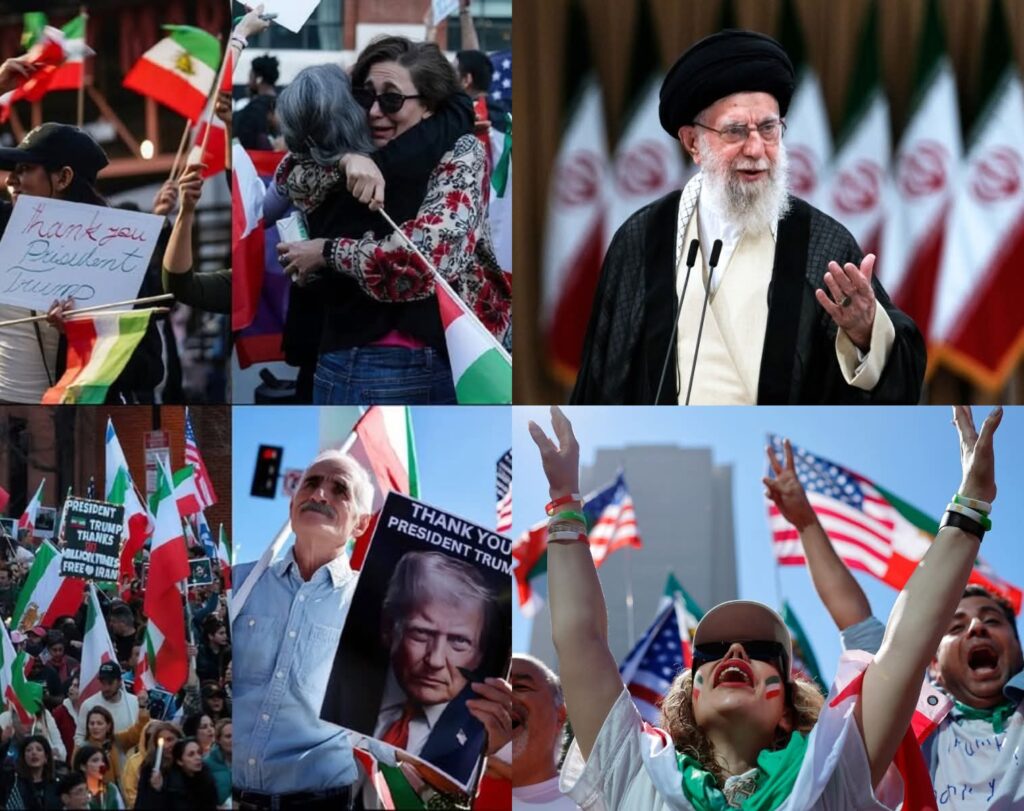
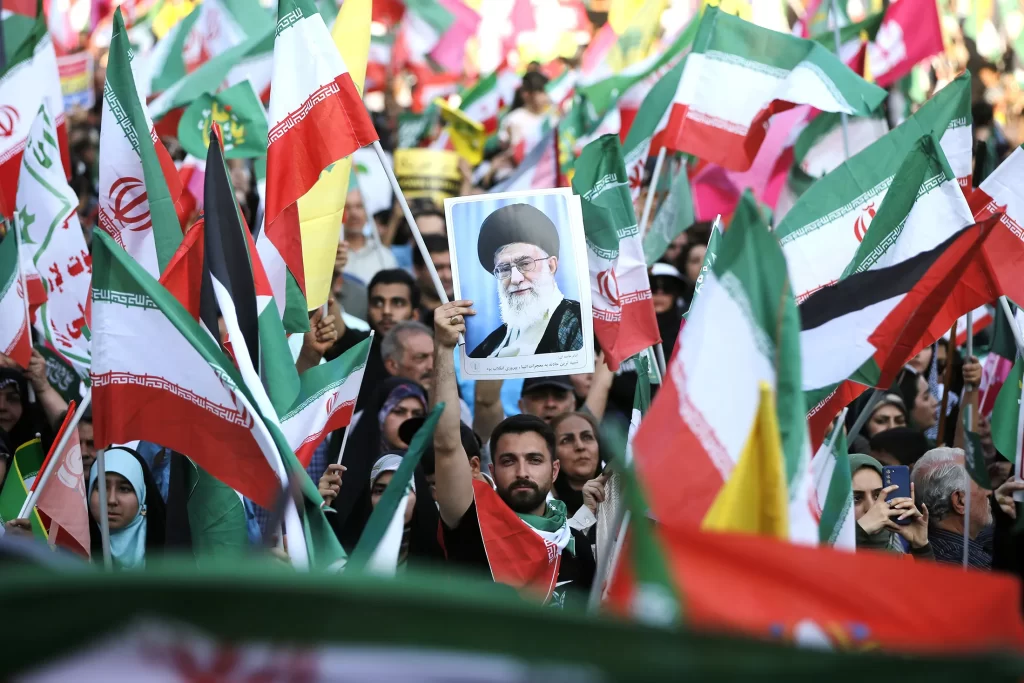
Iran’s state media subsequently reported that Ayatollah Ali Khamenei, Iran’s Supreme Leader since 1989, was killed in the strikes on Tehran.
Iranian broadcasters described his death as “martyrdom” and announced a period of national mourning.
Khamenei was the highest authority in the Islamic Republic and a central figure in its government, military strategy, and foreign policy for decades.
In response to the initial attacks, Iran launched a series of missile and drone assaults targeting Israeli territory and U.S. military bases across the region.
Israeli emergency services reported casualties and damage following barrages that hit populated areas, leading to loss of life and dozens of injuries.
U.S. Central Command (CENTCOM) reported on Sunday that three U.S. service members were killed and five others seriously wounded in the opening days of the campaign.
The Pentagon stated that these casualties occurred in Kuwait, where American forces were supporting defensive and logistical operations. Additional U.S. personnel suffered minor injuries and were expected to return to duty.
Prime Minister Benjamin Netanyahu of Israel said his nation was continuing airstrikes “with increasing strength,” and had eliminated many high-ranking Iranian officials in addition to Khamenei.
He said the joint U.S.–Israeli campaign was necessary to protect national security and to degrade Iran’s capability to project power across the Middle East.
In remarks from Tel Aviv, Netanyahu acknowledged the toll of retaliatory attacks on Israeli civilians and reaffirmed his government’s commitment to the ongoing campaign, calling it a decisive effort against Iranian influence and regional threats.
In Washington, President Trump said the strikes would strengthen the U.S. position in any future negotiations.
He also claimed that several Iranian naval vessels were destroyed or damaged, including a Jamaran-class corvette that U.S. forces struck in the Gulf of Oman.
U.S. intelligence officials told reporters that the CIA had been tracking Ayatollah Khamenei’s movements for months ahead of the operation and that planners adjusted timing to maximize the likelihood of striking top leadership.
Israeli military leadership had also been reportedly preparing for months to target key figures within Iran’s political and military hierarchy.
The situation remains volatile. Iranian authorities have vowed further retaliation, while Western governments have urged calm and called for diplomatic channels to be pursued even as broader military operations continue.
The international community is closely watching developments, with several countries urging de-escalation and humanitarian concerns rising as the conflict expands beyond traditional battlefields into civilian population centers.
As of now, the identities of the U.S. service members killed have not been publicly released, with officials awaiting formal notification of next of kin before disclosure.
The broader implications of this escalating conflict are expected to resonate across international security, energy markets, and diplomatic relations in the months to come.