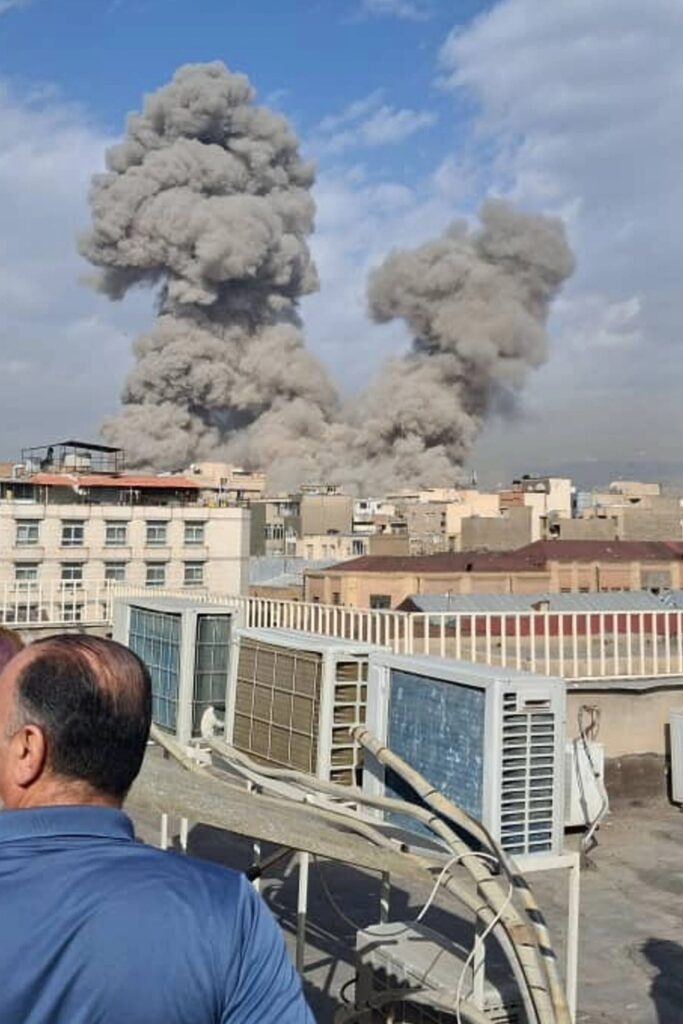

Reports circulating in Israeli media on Wednesday claimed that Iran’s Supreme Leader, Ayatollah Ali Khamenei, may have been killed during a series of joint U.S.-Israeli airstrikes targeting sites in and around Tehran.
However, as of publication, there has been no independent confirmation of his death, and Iranian officials have publicly denied the reports.
According to statements attributed to senior Israeli officials and cited by outlets including N12 News and The Times of Israel, Khamenei’s compound in Tehran was heavily damaged during coordinated strikes.
Unnamed officials claimed that a body believed to be Khamenei’s had been located in the rubble and that Israeli Prime Minister Benjamin Netanyahu had viewed video evidence.
These claims have not been independently verified by international observers.
Iran’s Foreign Minister, whose name was not specified in the initial Israeli reports, told state-affiliated media that Khamenei is alive “as far as I know,” dismissing the claims as disinformation.
Iranian state television has not aired any official statement or appearance from Khamenei since the reported strikes, fueling speculation but stopping short of confirmation.
U.S. officials have not publicly confirmed that Khamenei was a direct target of the operation.
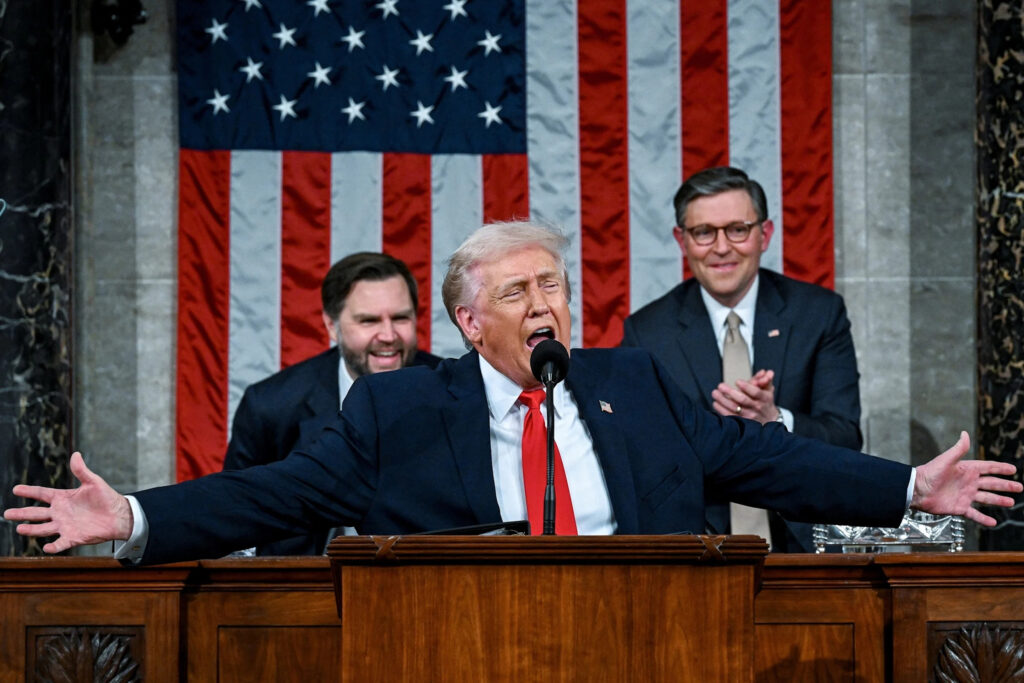
The White House has not released a statement verifying the Israeli claims. President Donald Trump, speaking earlier about the broader military action, framed the strikes as part of a push to weaken what he described as destabilizing forces in the region.
He stated that he hopes his legacy in relation to Iran will be tied to “freedom for the Iranian people,” though he did not directly address reports about Khamenei’s status.
Security analysts note that the death of Khamenei, if confirmed, would represent a seismic shift in Middle Eastern geopolitics. Former Mossad officials, according to Israeli media commentary, warned that such a development could trigger internal instability within Iran.
Some assessments have suggested the possibility of a power struggle involving the Islamic Revolutionary Guard Corps (IRGC). U.S. intelligence agencies, including the CIA, have previously evaluated scenarios in which hardline elements within the IRGC could consolidate control if the current leadership were removed.
Ayatollah Ali Khamenei has served as Iran’s Supreme Leader since 1989, following the death of Ayatollah Ruhollah Khomeini.
As the highest-ranking political and religious authority in the Islamic Republic, Khamenei oversees Iran’s armed forces, judiciary, and state broadcasting apparatus, and wields significant influence over foreign policy and nuclear negotiations.
International observers caution that in high-conflict environments, early reports can be inaccurate or politically motivated.
At this time, no independent verification from neutral international bodies has confirmed Khamenei’s death. Diplomatic missions in the region are reportedly monitoring the situation closely.
Until official confirmation is provided by multiple credible sources, the status of Ayatollah Ali Khamenei remains uncertain.