A renewed political debate emerged in the United States following memorial services held in honor of the late civil rights leader Rev. Jesse Jackson, after comments made during the ceremony drew criticism from his son, Jesse Jackson Jr.
Who said several national figures used the occasion to deliver political messages rather than focus on his father’s legacy.
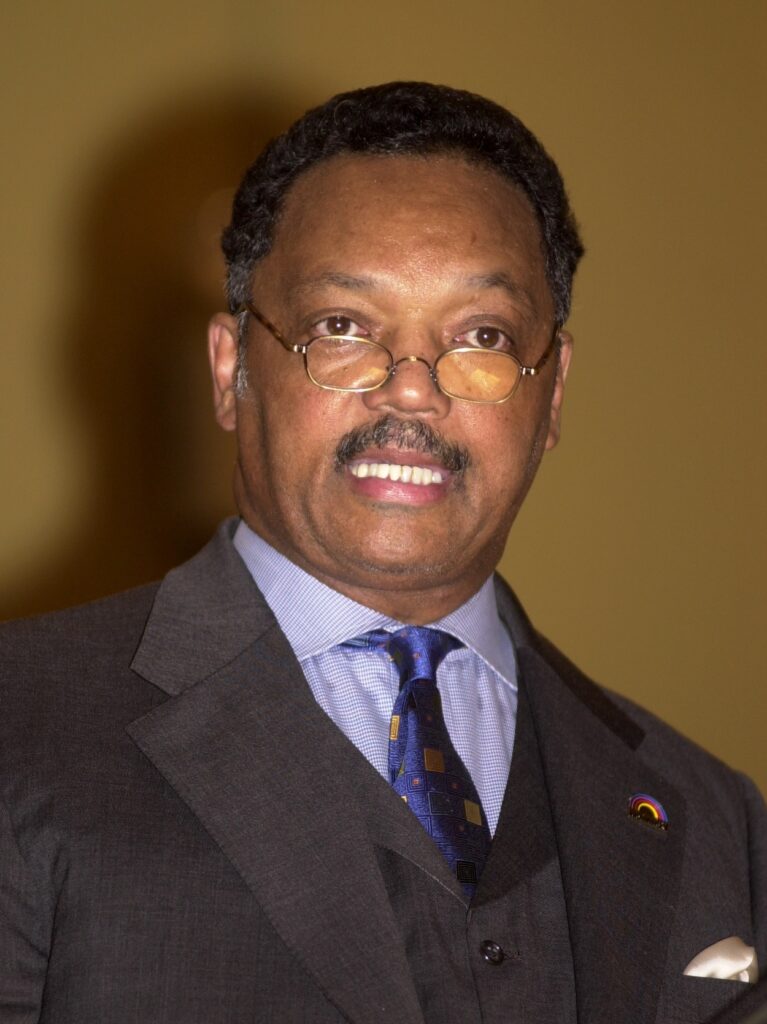
Rev. Jesse Jackson, a longtime civil rights activist and founder of the Rainbow PUSH Coalition, died at the age of 84 at his home in Chicago, Illinois.
His death prompted tributes from political leaders, community organizers, and supporters across the country who recognized his decades of advocacy for social justice, voting rights, and economic equality.
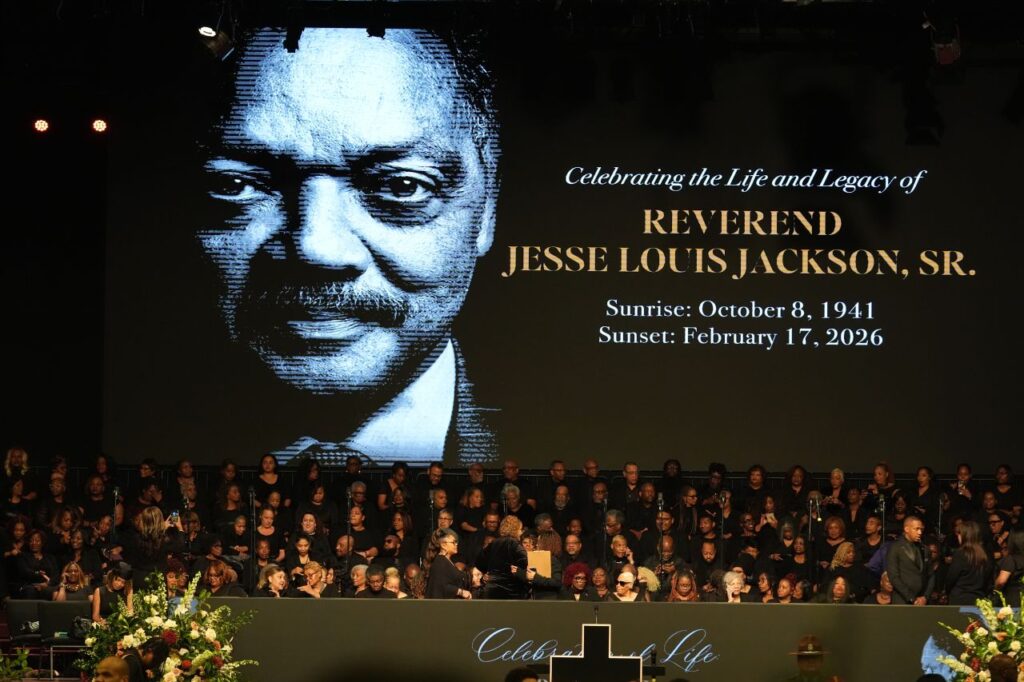
A large memorial service was held at the House of Hope Church in Chicago, where several prominent political figures delivered eulogies and remarks honoring Jackson’s influence on American history.
Among those who spoke were former U.S. presidents Barack Obama, Joe Biden, and Bill Clinton, as well as former Vice President Kamala Harris.
During his speech, Barack Obama reflected on Jackson’s role in shaping the modern civil rights movement and warned about what he described as challenges facing democratic institutions in the United States.
Obama emphasized that Jackson’s life demonstrated the importance of unity, civic engagement, and standing up against injustice.
Former President Joe Biden also addressed the audience, praising Jackson’s lifelong dedication to advocating for marginalized communities.
Biden said Jackson’s work helped expand opportunities for many Americans who had historically been excluded from political and economic power.
Kamala Harris, who previously served as vice president and was a candidate in the 2024 presidential election, spoke about Jackson’s influence on generations of leaders.
Harris said Jackson’s voice had helped guide the nation during difficult political moments and inspired countless young activists.
Former President Bill Clinton, who maintained a long relationship with Jackson during his political career, focused his remarks on personal memories and the civil rights leader’s commitment to social justice causes.
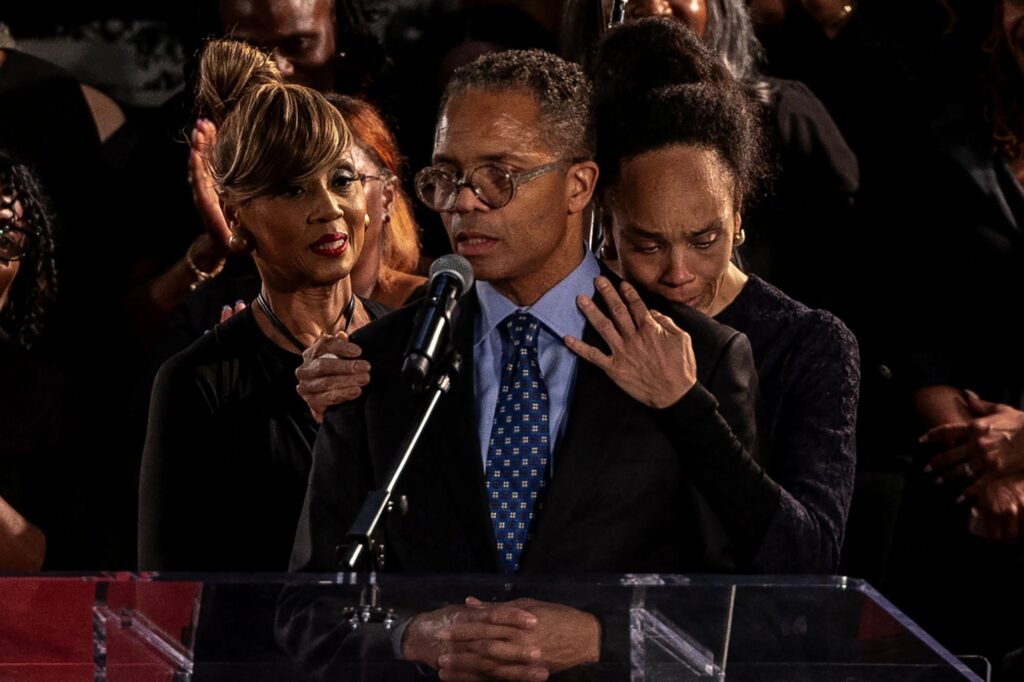
However, during a separate gathering held later at the Rainbow PUSH Coalition headquarters in Chicago, Jesse Jackson Jr. voiced criticism about how some political leaders used their time during the memorial.
Speaking emotionally about his father, Jesse Jackson Jr. said that while many tributes honored Jackson’s legacy, some speeches shifted attention toward political disagreements rather than focusing on the values his father represented.
According to Jesse Jackson Jr., his father maintained a complicated relationship with political institutions and leaders from both major parties.
He explained that Rev. Jesse Jackson often challenged those in power when he believed policies were harming disadvantaged communities.
Jackson Jr. stressed that his father’s mission was not tied to any single political party but rather to what he described as a consistent moral voice advocating for people who felt ignored or excluded from national conversations.
The memorial events drew large crowds of supporters, community leaders, clergy members, and political figures who gathered to honor Rev. Jesse Jackson’s long career as a civil rights advocate.
Although many leaders attended the ceremony, former President Donald Trump did not participate in the memorial service.
Despite the political debate surrounding the speeches, family members and supporters said the focus should remain on the enduring legacy of Rev. Jesse Jackson, whose decades of activism helped shape civil rights progress and inspired future generations to continue the fight for equality and justice in the United States.